
Lawrence H. Summers
Learning a foreign language is not about processing data but actually entails learning something of substance. Our young people will also learn the experience of devoting time to mastering a capability that will pay dividends in other areas of their lives.
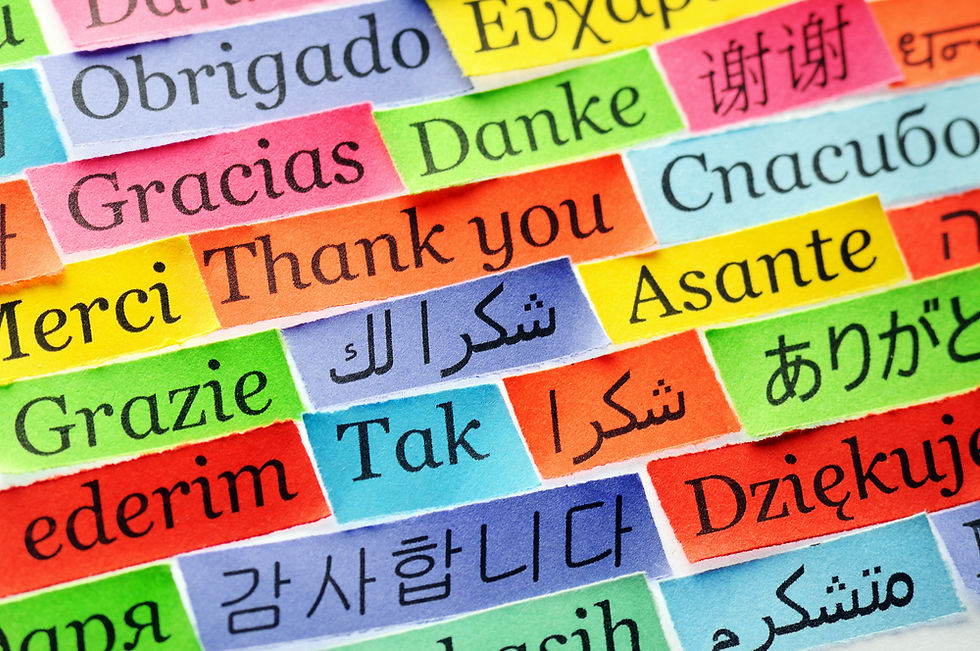
Language is much more than a tool for accessing information. Language is the very “stuff of thought,” to use Steven Pinker’s term. It is the palette from which we draw all the colors of our life, and people who speak multiple languages have a larger palette and richer set of colors to draw from than those who are monolingual.
As articulated by the Nobel Prize-winner Daniel Kahneman in “Thinking, Fast and Slow,” we understand the processes of human thought much better than we once did. We are not rational calculating machines but collections of modules, each programmed to be adroit at a particular set of tasks. Not everyone learns most effectively in the same way. And yet in the face of all evidence, we rely almost entirely on passive learning. Students listen to lectures or they read and then are evaluated on the basis of their ability to demonstrate content mastery. They aren’t asked to actively use the knowledge they are acquiring.


The benefits of multilingualism
The future: multilingualism?
Maybe you don't need to be 'fluent' in multiple languages, but life might be more interesting if you were proficient in more than one.
Melanie Ho